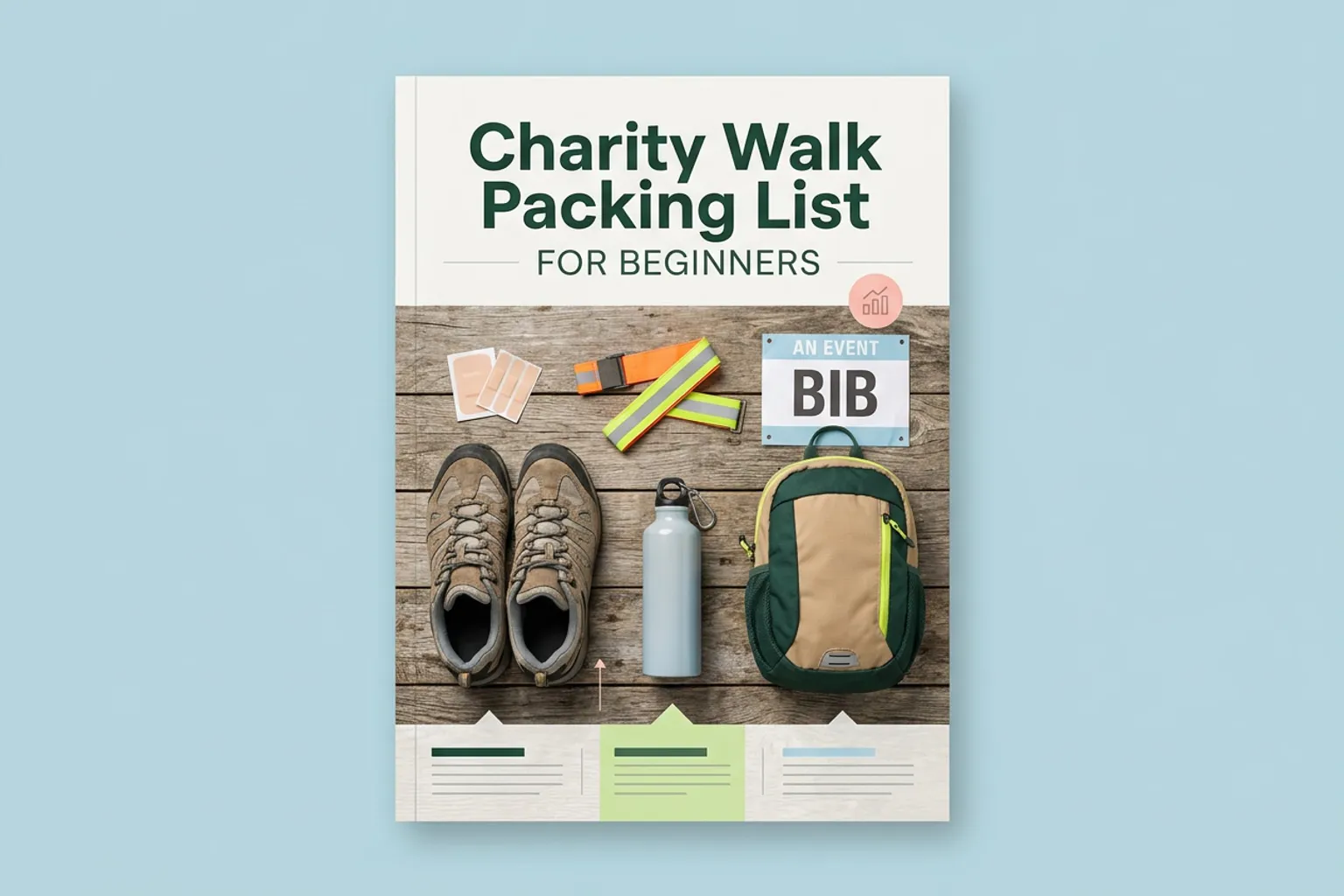
Key Takeaways
- Pack a two-night camping setup by campsite task: arrive, shelter, sleep, cook, clean, and leave.
- The highest-risk misses are usually light, water, dry storage, warm layers, and cleanup gear.
- Small-car campers should use repeatable bins or pouches instead of one loose gear pile.
- A weekend camping checklist works best when it separates must-pack safety gear from comfort extras.
How this guide was built
Fopoto reviews weekend camping packing list through a compact-kit lens: packed size, setup speed, campsite safety, weather tolerance, and repeatable storage. We start with the safety baseline, then cut anything that adds bulk without covering a realistic field problem. This guide is written for the practical search intent behind weekend camping packing list and related questions like 2 night camping gear checklist, weekend camping checklist, first time camping checklist.
Editorial PolicyWeekend Camping Packing List is not about buying more gear. It is about building a small, repeatable system for weekend camping that still works when the day gets longer, colder, wetter, or more confusing than planned.
| Layer | What it covers | When to pack it |
|---|---|---|
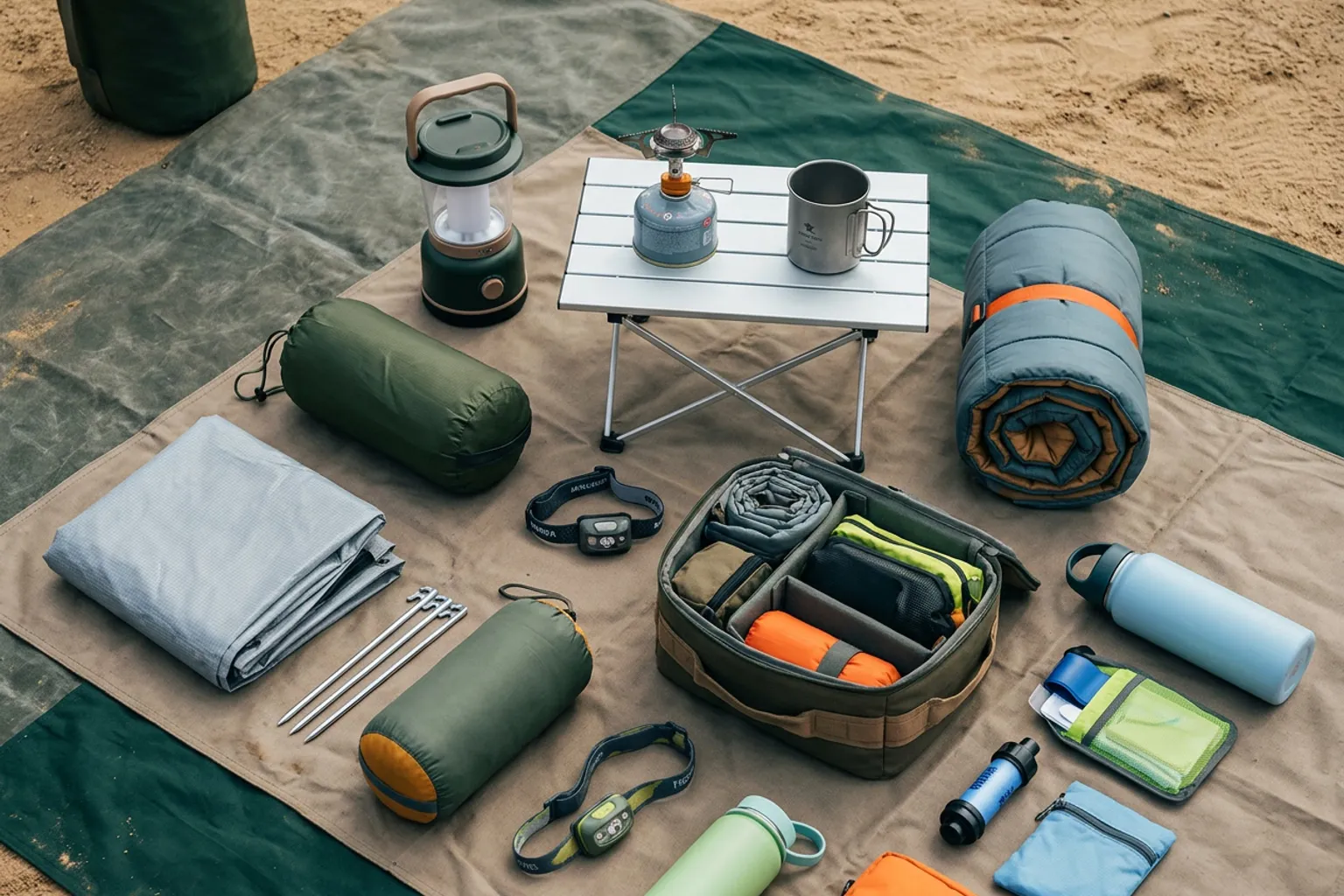
| Arrive and set up | Tent, footprint, stakes, headlamp, mallet or stake tool | Pack first |
| Sleep and warmth | Sleeping bag, pad, sleep clothes, beanie, dry storage | Pack before camp comfort |
| Cook and clean | Stove, fuel, lighter, water, food, trash bag, dish kit | Pack as one kitchen pouch |
| Safety and backup | First aid, backup light, weather layer, power bank, map | Do not cut |
What should you pack for a weekend camping trip?
For a normal two-night weekend camping trip, pack shelter, sleep, water, food, lighting, weather protection, first aid, and cleanup before you add chairs, games, or extra cookware. This keeps the trip compact without removing the systems that make camp functional after dark or in bad weather.
If the checklist feels too long, remove duplicate comfort items first. Do not remove light, water, first aid, or dry storage.
How should small-car campers organize gear?
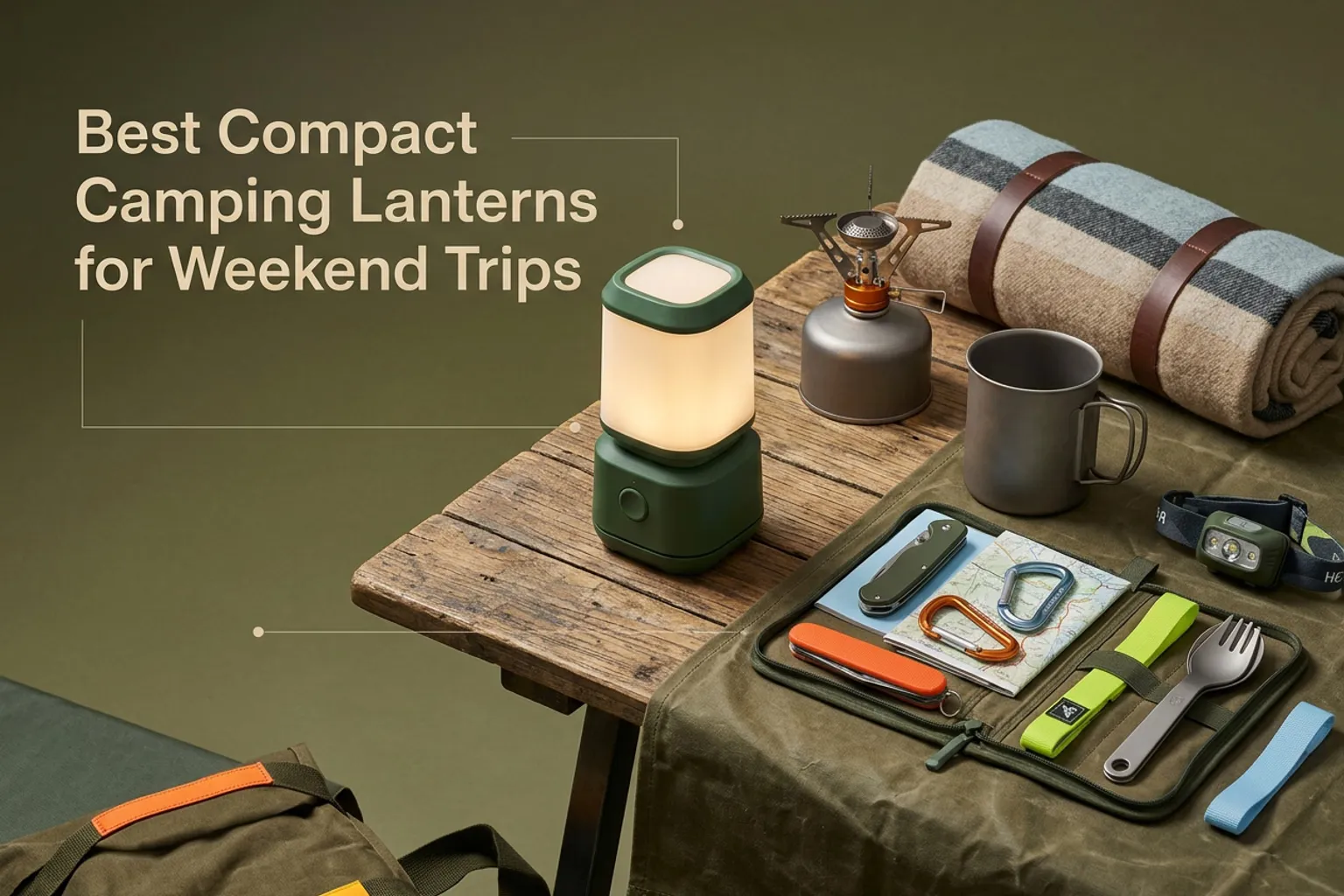
Use task-based containers: shelter, sleep, kitchen, lighting, safety, and cleanup. A small car becomes much easier to pack when each container answers a campsite job and can be checked before leaving home.
The best compact camping setup is boringly repeatable: the same bin, the same pouch, the same final check.
What do beginners usually forget?
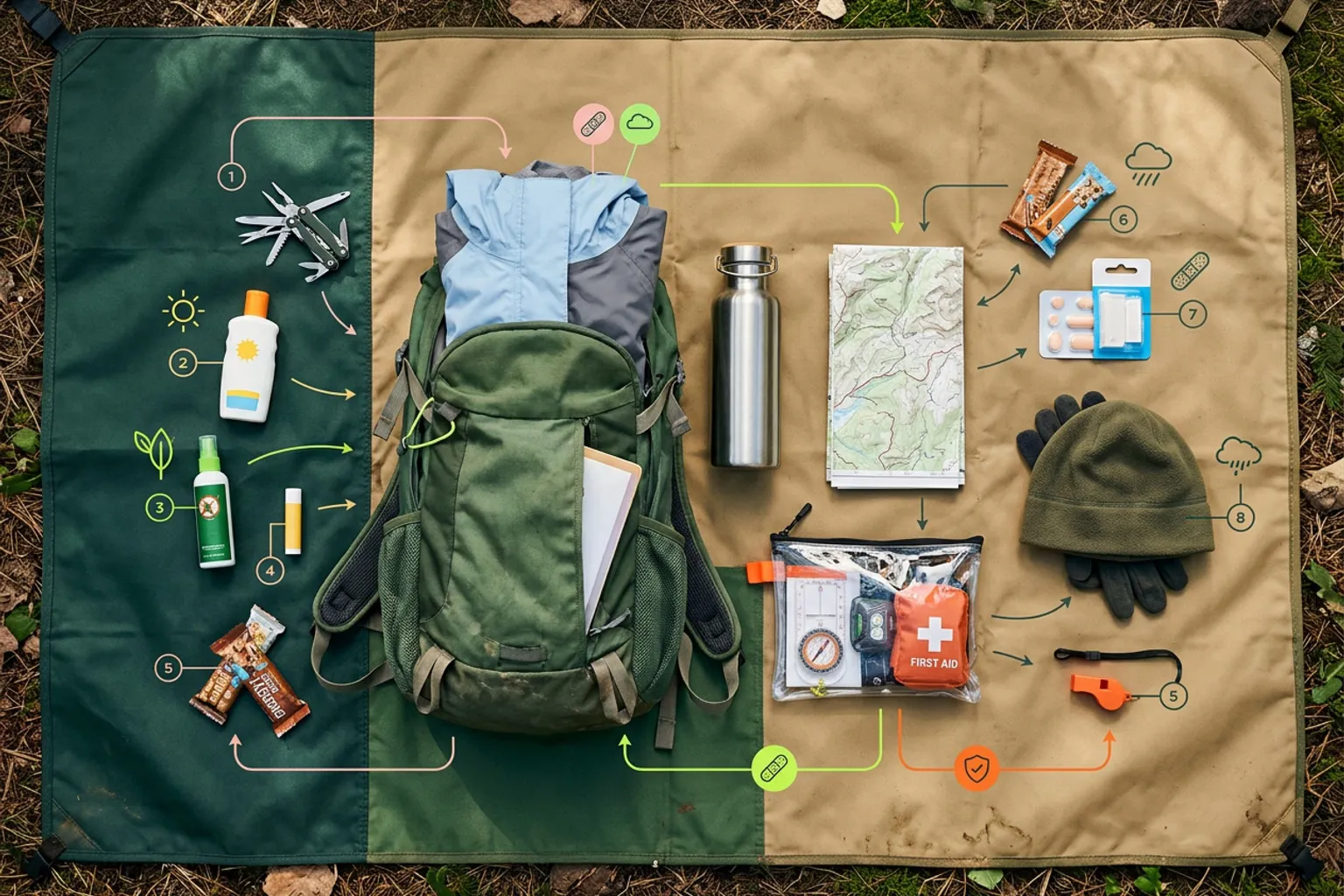
Beginners often remember the tent and sleeping bag but forget the small items that make camp work: a headlamp, backup light, trash bag, lighter, water storage, warm layer, towel, and a dry place for clothes or electronics.
A weekend packing list should be reviewed by scenario, not by product category.
When should you add comfort gear?
Add chairs, tables, extra cookware, lantern stands, pillows, and games after the safety and camp-function checklist is complete. Comfort gear is welcome, but it should not crowd out the items that keep camp dry, fed, visible, and clean.
Comfort gear earns space when the car is packed, the weather is covered, and the safety pouch is still easy to reach.
Compact checklist
- Main safety item for the route, season, and time of day.
- Specific plan for wind, wet storage, cold food prep, awkward campsite setup, and small items that disappear once daylight drops.
- Backup light or backup power if the trip can run late.
- Weather layer that works for both wind and rain.
- Small first aid and blister kit sized for the group.
- Navigation backup that does not depend only on cell service.
- Carry rule: group small campsite tasks into one repeatable pouch so setup does not depend on memory.
Frequently asked questions
What is the most important thing to pack for weekend camping?
Shelter, sleep insulation, water, food, light, first aid, weather protection, and cleanup are the core systems. A tent alone is not enough if you cannot stay warm, see after dark, cook safely, or leave the campsite clean.
How much food should I bring for a two-night camping trip?
Plan each meal, then add one simple backup meal and extra snacks. The backup should not require complex cooking, because late arrivals and wet weather are common weekend-camping problems.
What should I not bring camping?
Skip duplicate cookware, fragile decor, oversized furniture, and gadgets that do not solve a real campsite job. Keep space for light, water, dry storage, warm layers, and cleanup.
Sources
- National Park Service, Ten Essentials , retrieved June 29, 2026. Used as the safety baseline for compact outdoor packing systems.
- American Red Cross, First Aid Kit guidance , retrieved June 29, 2026. Used for first-aid kit scope and emergency-preparedness checks.
- Fopoto Editorial Policy, updated June 29, 2026. Explains the scenario-first review method, AI-assisted image disclosure, and source standards.
By
Fopoto Field Desk
Updated June 29, 2026 / 8 min read